The Unseen Architect: Why Emotion Outperforms Logic
Isobel Fontaine, PhD · · 2 min read
In the world of business, we are taught to value logic.
We build spreadsheets, we analyse features, and we compete on price. We assume that if we offer the "best" product on paper, the market will follow.
But if logic were the only driver of success, the cheapest options would always be the market leaders. They aren’t. The market leaders are the brands that make us feel something.
At Studio Orris, we view branding as a bridge. On one side is your product; on the other is your customer. Logic builds the bridge, but emotion is the reason people cross it.
Here is why emotional marketing is not just a creative choice, but a financial necessity.
The Logic Trap
There is a fundamental rule in consumer behaviour: We buy with emotion, and we justify with logic.
Think about the last luxury purchase you made. Maybe it was a car, a watch, or a property. You likely told your friends about the investment value, the engineering, or the reliability. But the decision to buy happened much earlier. It happened the moment the brand resonated with your identity.
When a brand focuses solely on "specs"—square footage, technical features, deliverables—it becomes a commodity. Commodities are easily replaced. Brands that build an emotional narrative become irreplaceable.
The Data: Soft Skills, Hard Numbers
This isn't just creative theory. The data supports the investment in emotional branding.
- The 95% Rule: According to Harvard Business School, up to 95% of purchasing decisions take place in the subconscious mind. Customers are reacting to visual cues, tone, and "vibe" long before they read your pricing page.
- Profitability: The IPA (Institute of Practitioners in Advertising) analysed 1,400 campaigns and found that those with purely emotional content performed twice as well (31% profit gain) compared to those based on rational content (16% profit gain).
Real World Context: The "Commodity" Shift
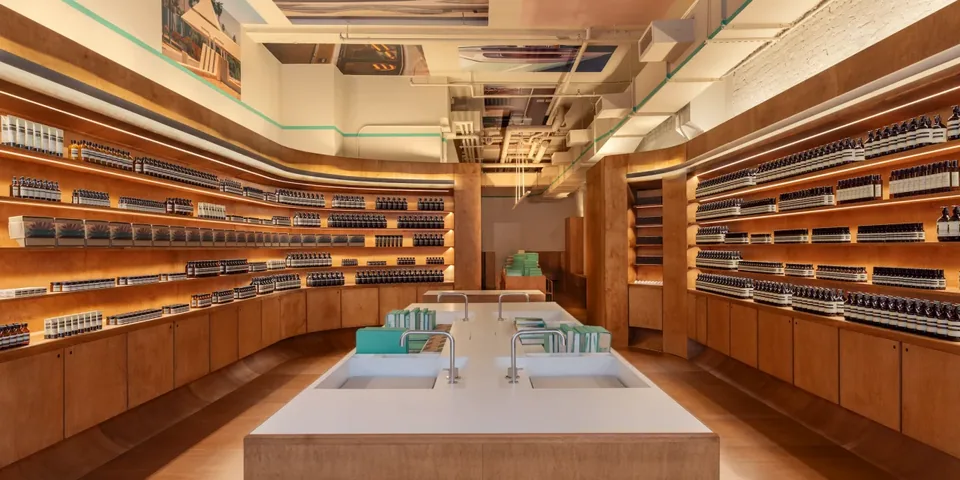
Consider Aesop .
On paper, they sell hand soap and skincare—a basic commodity available at any supermarket for $5. However, Aesop does not market "soap." They market ritual, design, and sophistication .
Through their architectural store fit-outs, their minimalist packaging, and their specific tone of voice, they have elevated a utility product into a luxury status symbol. They stopped competing on price and started competing on feeling . The result? A valuation in the billions.
They proved that design is not just decoration; it is value creation.
Following its acquisition, Aesop continues its retail expansion . Image by Modern Retail.
The Studio Orris Approach
So, how do we apply this to your business?
Whether you are a property group, an architect, or a tech startup, the principle remains:
Don't just tell them what you do. Show them who they become when they choose you.
We use design to create "emotional shortcuts."
- Typography that suggests stability and trust.
- Colour palettes that evoke calm or energy.
- Imagery that sells a lifestyle, not just a product list.
When you master the art of emotional marketing, you stop having to convince clients to hire you. They simply feel that they have to.

 Return to Insights →
Related Insights
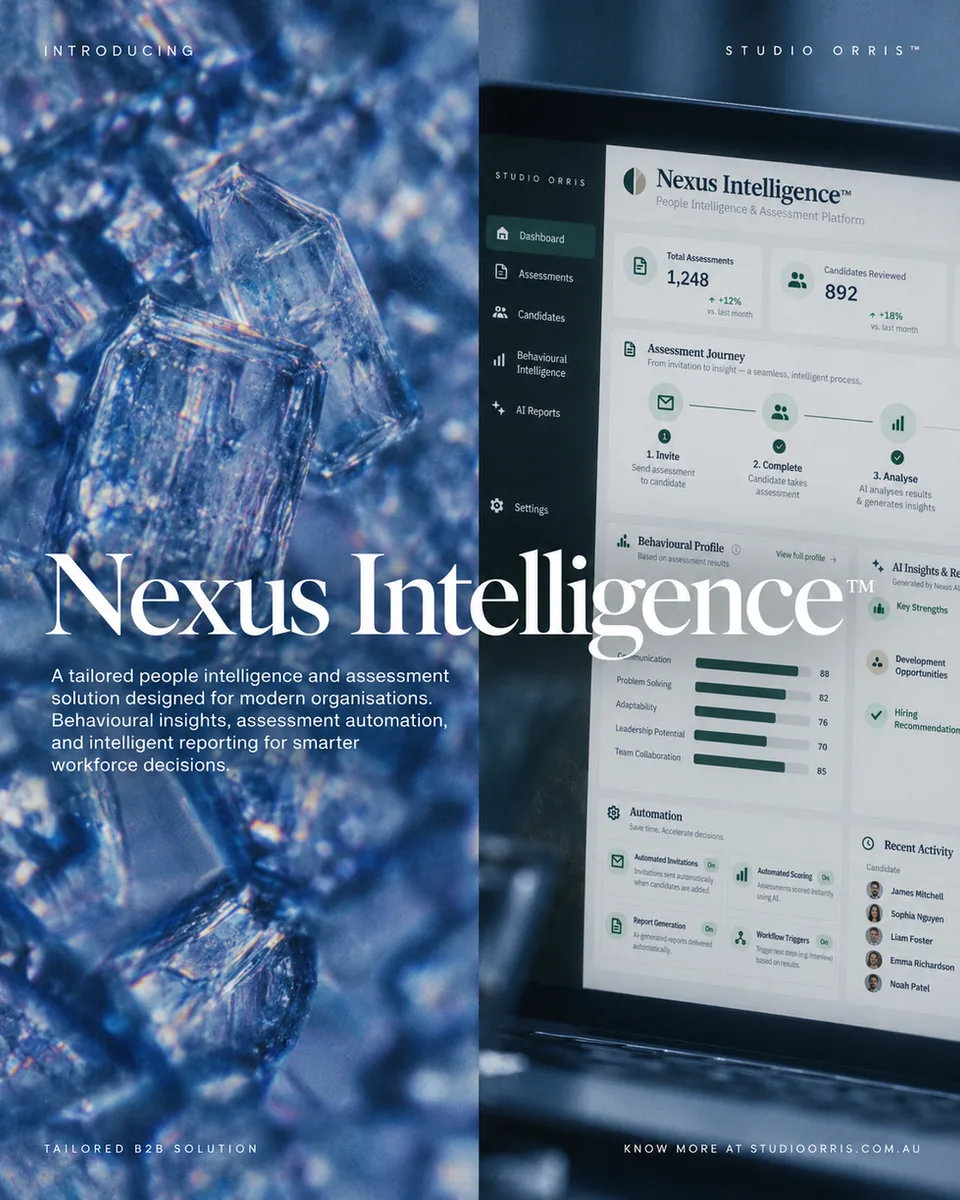
Studio Orris Launches Nexus Intelligence™ for Smarter People Decisions
Studio Orris · 10 September 2026
The Insolvency Plateau
Beatrice Sterling, MBA · 7 September 2026
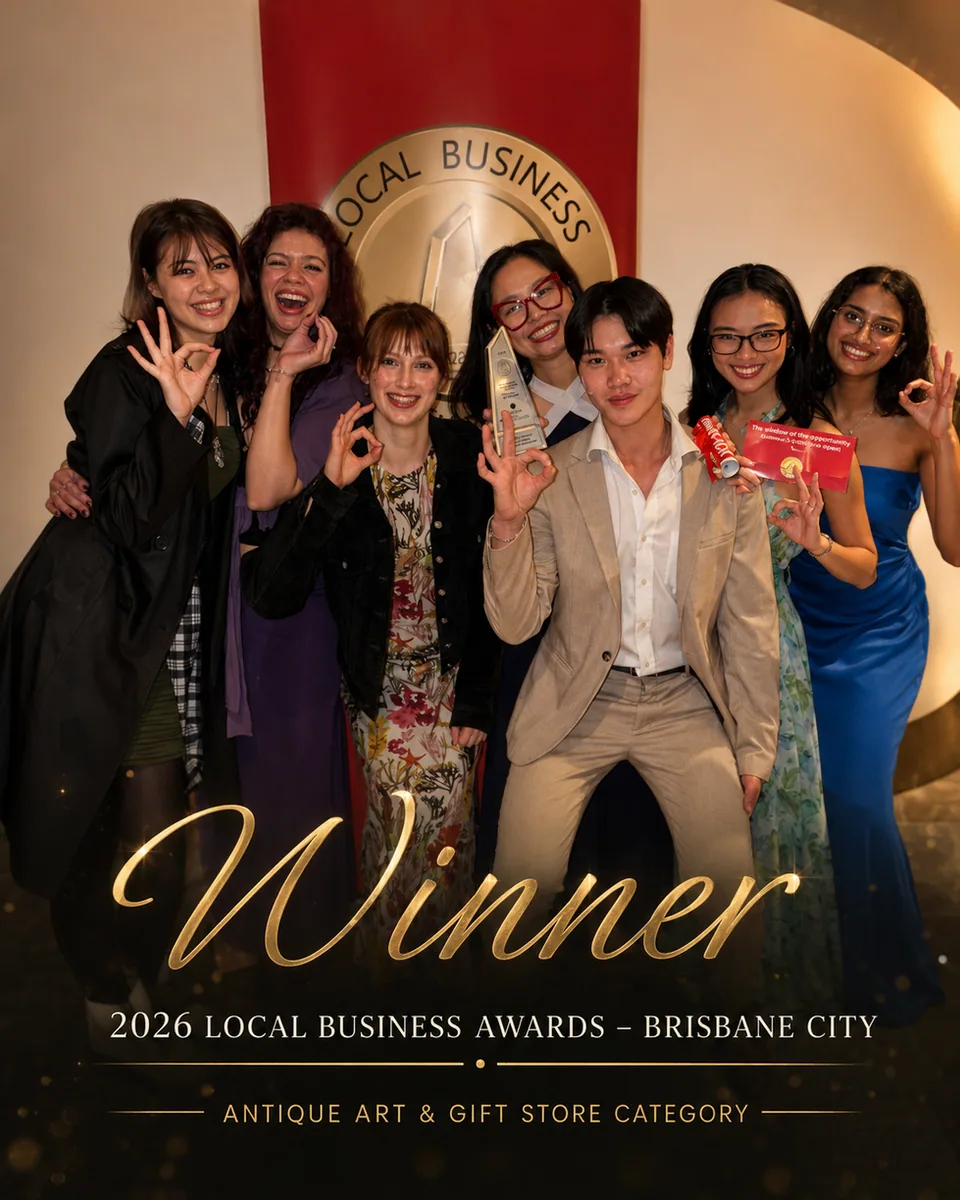
Built Differently, Recognised Locally: Outside the Box Wins at the 2026 Brisbane City Local Business Awards
Studio Orris · 30 August 2026