The Psychology of the "Flight to Quality"
Beatrice Sterling, MBA · · 4 min read

When economic horizons darken, the human brain triggers high levels of Ambiguity Aversion . We become psychologically allergic to uncertainty. In these moments, we seek out the known, the established, and the premium.
In a prosperous market, a client might gamble on a cheaper, less-established vendor. However, during a recession, that gamble feels existentially dangerous. Your website serves as the first line of defense against this anxiety.
A flawlessly executed digital experience utilizes what psychologists call Costly Signaling Theory . Just as a bank builds marble pillars to convey permanence, a high-end brand invests in frictionless UX, rapid load times, and minimalist design to signal financial health and operational excellence.
If your website appears cheap during a recession, the subconscious assumption is that your company is distressed. Conversely, if it looks impeccable, the assumption is that you are immune to the chaos.
The Evidence: The "Share of Mind" Void
History provides stark evidence regarding marketing behavior during recessions. The most famous longitudinal data comes from McGraw-Hill Research, which analyzed the 1981-82 recession and corroborated findings from later studies of the 2008 financial crisis.
The data consistently shows that companies maintaining or increasing their marketing presence during a downturn enjoyed an average of 256% higher sales growth during the subsequent recovery compared to those that cut back.
Why does this happen? It is simple mathematics applied to consumer psychology. When your competitors cut their budgets, the overall "noise level" in your industry drops. By simply maintaining your current digital presence, your relative Share of Voice (SOV) skyrockets without spending an extra dollar. By investing further, you dominate the landscape.
When competitors go dark, they create a vacuum of authority. The brand that keeps its digital lights on fills that vacuum.
The Strategic Pivot: From Promotion to Authority
So, how does one adjust their digital presence during uncertain times? It is not about splashing "Sale" banners across the homepage—that reeks of desperation. Instead, it is about a pivot in tone towards authority, value, and heritage.
The B2B Example: Intellectual Shelter
During the 2008 crisis, elite consultancies like McKinsey didn't lower their fees. Instead, they ramped up their digital output of high-level analysis on navigating the crisis. Their websites became hubs of intellectual shelter.
The Studio Orris Application: Your website must transition from a portfolio to a resource. Use your digital space to provide high-value insights, white papers, or strategic frameworks that help your clients navigate their challenges. Position yourself not just as a service provider, but as an essential advisor for their survival.
The Luxury Example: The Heritage Anchor
In downturns, the "Lipstick Effect" occurs—consumers still buy, but they purchase items that promise lasting value rather than trendy disposability.
Consider Hermès. During economic wobbles, their digital presence does not highlight transient fashion. Instead, it doubles down on the saddlery, the silk printing process, and the heritage.
They use video and deep-scroll typography to emphasize that what you buy today will last twenty years.
The Studio Orris Application: Your digital narrative must shift from "what is new" to "what is permanent." Invest in deeper case studies that show the long-term ROI of your work. Use visuals that convey weight, texture, and timelessness.
Building Trust Through Digital Excellence
In uncertain times, trust becomes a rare commodity. Brands that invest in their digital presence can cultivate this trust. By presenting a polished, professional image, you reassure potential clients that you are a stable choice.
The Importance of Storytelling
Every brand has a story. Use your digital channels to share yours. Highlight your journey, your values, and your commitment to quality. This narrative can resonate deeply, fostering a sense of connection and loyalty.
The Transformative Power of Design
Design is not merely about aesthetics; it is about creating experiences that resonate. A well-crafted digital presence can transform perceptions and foster trust. When clients engage with your brand, they should feel a connection that transcends the transactional.
Crafting Meaningful Experiences
To elevate your digital presence, focus on creating meaningful experiences. Consider how each element of your website contributes to the overall narrative. From typography to color schemes, every detail should reflect your brand's essence.
The Role of User Experience
User experience (UX) is paramount. A seamless, intuitive interface invites exploration and engagement. Ensure that your website is not just visually appealing but also functional and user-friendly. This balance is essential for building trust and encouraging repeat visits.
Conclusion: The Silence of Confidence
A recession acts as a filter. It filters out the noise, the temporary, and the fragile. By investing in a superior digital presence now, you engage in psychological warfare against uncertainty.
While others scream for attention or hide in fear, your brand stands in the digital landscape with the quiet, terrifying confidence of a fixture that cannot be moved.
Do not build for the weather you have today. Build for the climate you intend to dominate tomorrow.
The Next Move: Secure Your Territory
Uncertainty is only a risk for the unprepared. For the strategic leader, it is a lever. While your competitors retreat to safety, you have the opportunity to solidify your standing. Studio Orris invites you to a private consultation to assess your Digital Resilience . We will analyze your current digital architecture not merely as a design project but as a legacy asset capable of weathering any economic climate.
Do not let the market dictate your value. Define it yourself.
 Return to Insights →
Related Insights
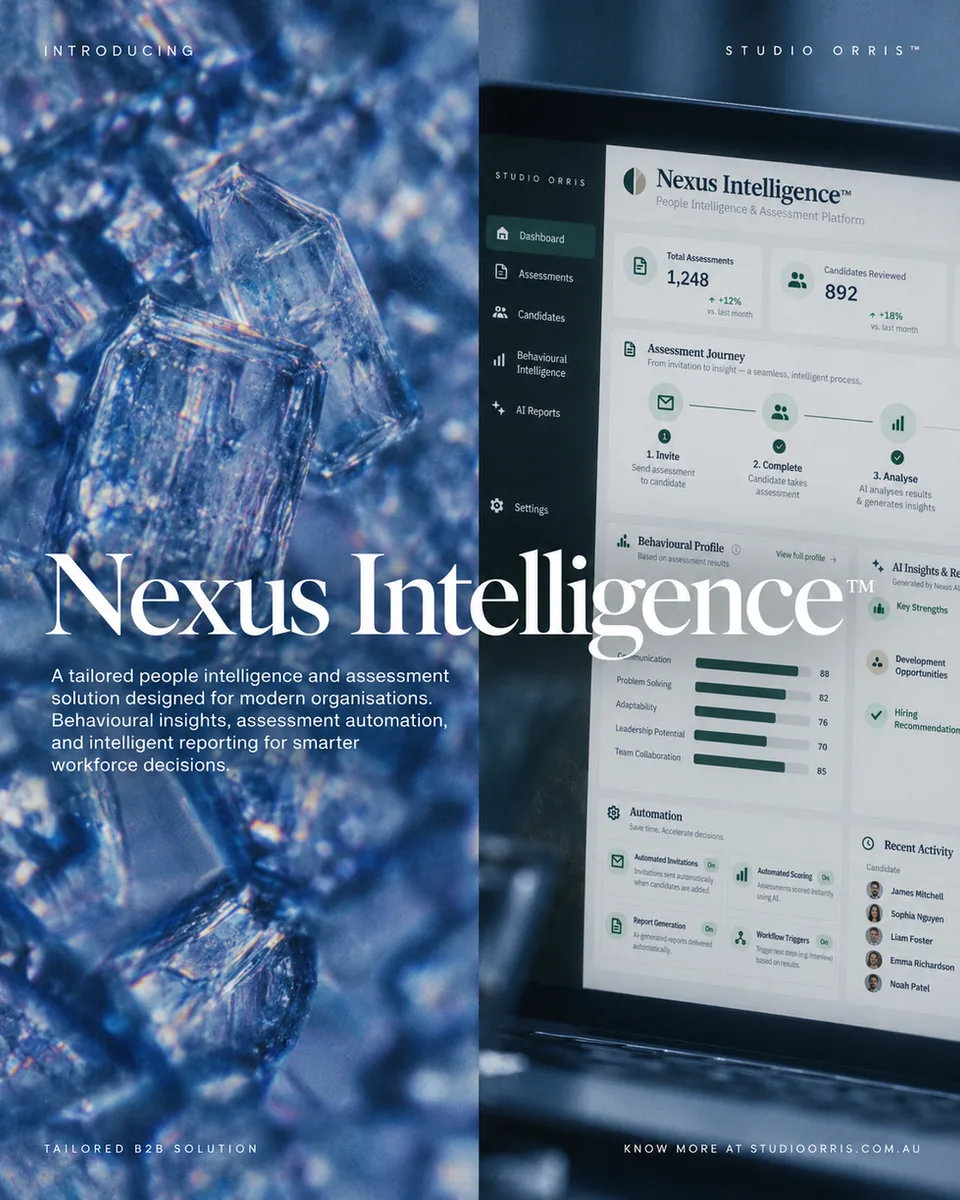
Studio Orris Launches Nexus Intelligence™ for Smarter People Decisions
Studio Orris · 10 September 2026
The Insolvency Plateau
Beatrice Sterling, MBA · 7 September 2026

Built Differently, Recognised Locally: Outside the Box Wins at the 2026 Brisbane City Local Business Awards
Studio Orris · 30 August 2026