Why Economic Contraction is a Catalyst for the Bold: How Small Businesses Can Enter the Market with Precision
Morgan Vance, MBA · · 3 min read

The Myth of the "Bad Market"
The headlines tell a story of scarcity. They speak of tightening belts, market contraction, and the "Recession Core" aesthetic taking over our feeds—a shift toward minimalism, durability, and quiet luxury.
For the astute brand strategist, a recession is not a funeral; it is a filter. In times of economic abundance, the market is noisy. Anyone can sell anything. However, when the tide goes out, the noise fades. The businesses that remain are not just the lucky ones; they are the necessary ones. For a small business entering the arena now, this is not a disadvantage. It is your greatest opportunity.
The Psychology of the "Anxious Spender"
To enter the market with confidence, you must first understand the mind of your consumer. In a downturn, people do not stop spending. Psychology tells us that human desire does not simply evaporate because inflation rises.
Instead, the consumer mindset shifts from Experimentation to Justification . They are no longer asking, "Is this fun?" They are asking, "Is this an investment?" They seek safety, longevity, and meaning. They are trading the frivolous for the foundational. This is where "Recession Core" transitions from a fashion trend to a business strategy. It is the art of looking stable, essential, and timeless.
How to Enter the Arena (When Everyone Else is Retracting)
If you are a small business launching or pivoting right now, do not lower your voice. Deepen it. Here is how to navigate the psychological landscape of the current market:
1. Signal Stability, Not Discount
The instinct in a downturn is to slash prices. This is a mistake. Discounting signals desperation; it tells the subconscious mind that your product has lost value. Instead, lean into "The Lipstick Effect"—the economic theory that consumers still buy high-quality goods, provided they are accessible luxuries. Position your brand as a "micro-investment" in their quality of life.
2. The Aesthetic of Essentialism
Your visual identity must strip away the chaotic. "Recession Core" branding is clean, typographic, and confident. It says, "We are not here to entertain you for a moment; we are here to serve you for a lifetime." Chaos feels expensive to a stressed brain. Clarity feels like a relief.
3. Sell the "After-State"
Anxious markets are future-focused. Don't just sell the product; sell the person they become after buying it. Will they feel more organized? More confident? More at peace? In a recession, you are not selling goods; you are selling emotional regulation.
The Agility Advantage
Big corporations are ocean liners; they take months to steer away from a storm. You are a speedboat. You can adapt your messaging, your "scene," and your offer in a day.
Do not wait for the "perfect time" to enter the market. The perfect time is when your competitors are too frightened to move.
Be the signal in the noise.
Embracing Transformation
In this period of uncertainty, transformation is not just possible; it is essential. Your brand has the potential to become a beacon of hope. By embracing change, you can redefine your narrative and inspire others to do the same.
Consider how your offerings can evolve. What new solutions can you provide that resonate with the current climate? This is your moment to innovate and create experiences that connect deeply with your audience.
Crafting Meaningful Experiences
Every interaction matters. Focus on creating experiences that are not only memorable but also meaningful. Your audience craves connection and authenticity. By weaving storytelling into your brand, you can foster a sense of belonging and trust.
Think about how your products or services can enhance the lives of your consumers. How can you turn a simple transaction into a transformative experience? This is the essence of impactful branding.
Join the Inner Circle
Intelligence is an advantage, but timing is everything.
Club De Orris™ members receive these essays, strategic insights, and market forecasts before they reach the public domain. Step inside, and silence the noise before it begins.
By embracing these strategies, you can navigate the complexities of the current market with elegance and precision. Your journey is not just about surviving; it is about thriving in the face of adversity.
In conclusion, let this economic contraction be your canvas. Paint your vision with bold strokes and watch as your small business flourishes amidst the challenges.
Related Insights
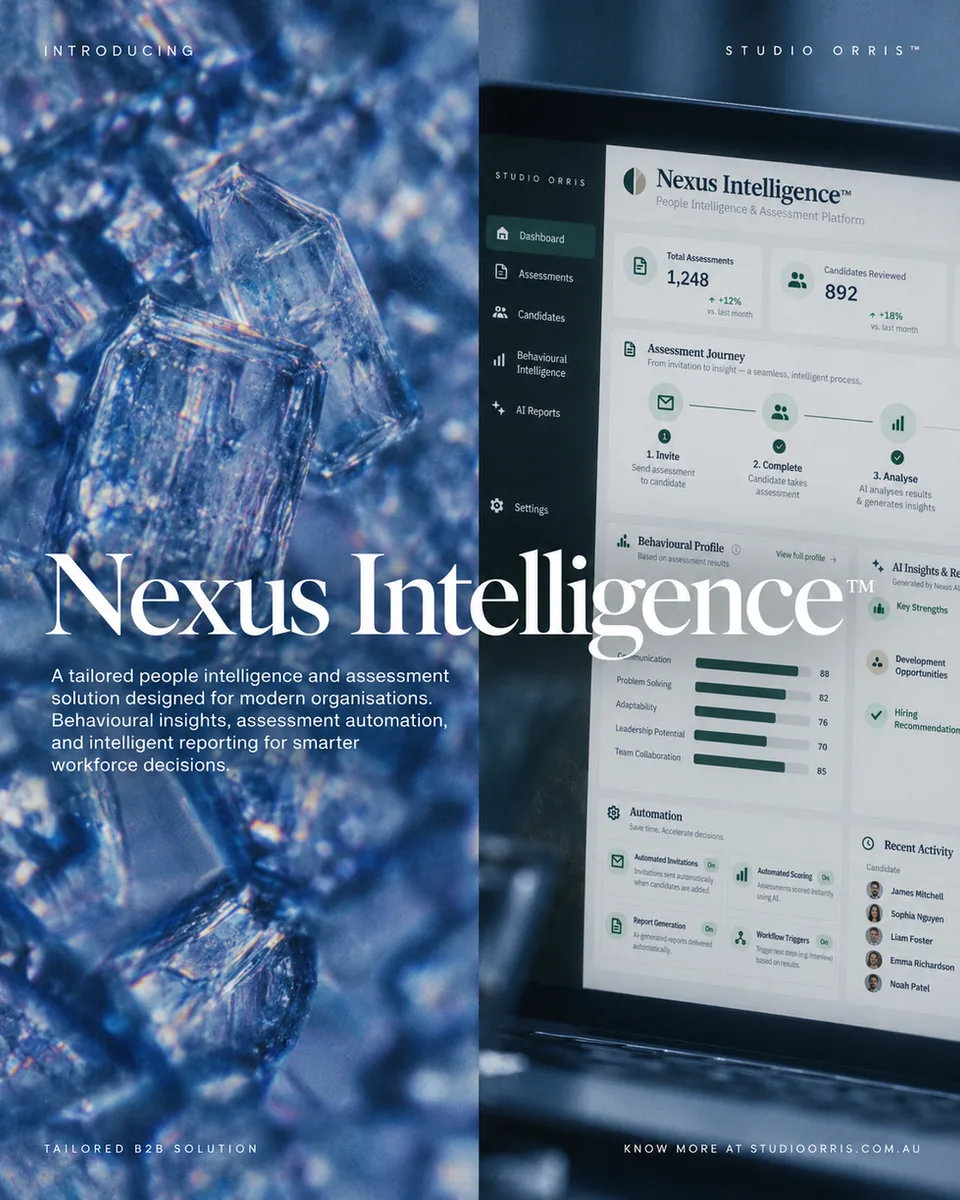
Studio Orris Launches Nexus Intelligence™ for Smarter People Decisions
Studio Orris · 10 September 2026
The Insolvency Plateau
Beatrice Sterling, MBA · 7 September 2026
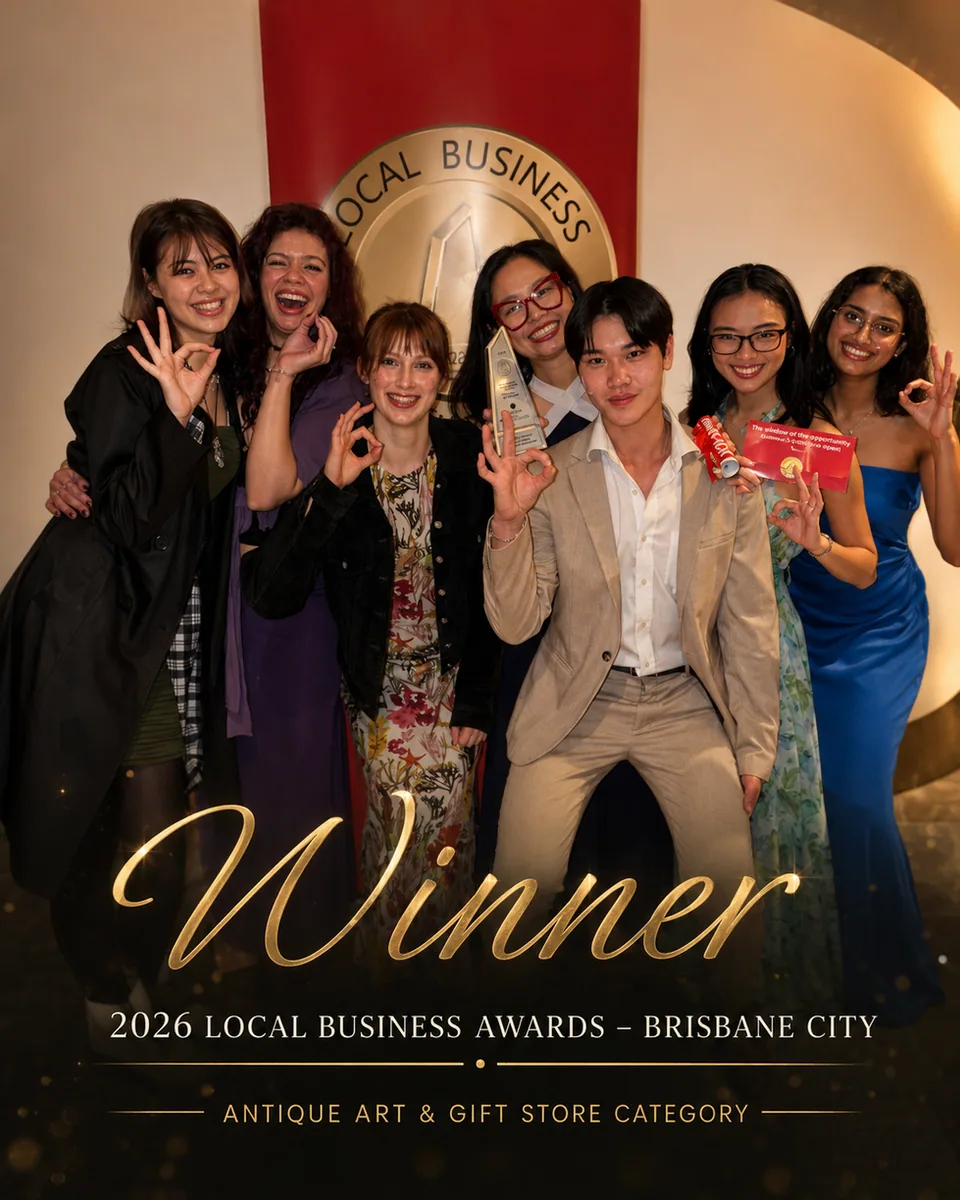
Built Differently, Recognised Locally: Outside the Box Wins at the 2026 Brisbane City Local Business Awards
Studio Orris · 30 August 2026